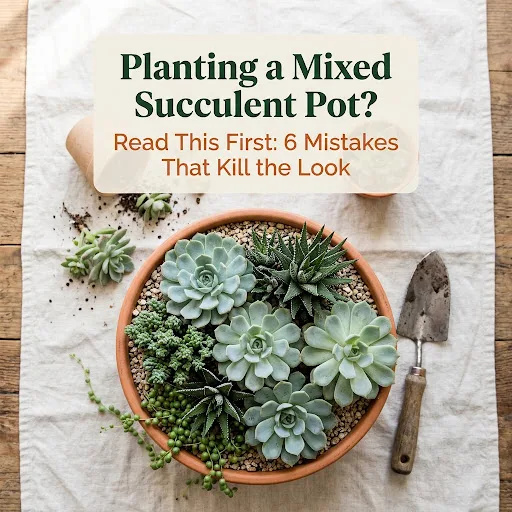
You buy a tray of pretty rosettes, a cute little cactus, and a pot you love. A week later the arrangement looks thin, tired, and nothing like the photos online. Sound familiar? Most failed arrangements are not bad luck. They come from a handful of succulent planting mistakes that almost every beginner makes, usually on the very first day.
The good news is that succulent planting mistakes are easy to spot once you know what to look for. Even better, every single one of them is easy to fix before you plant, and most can still be corrected after. Read through this list before your next planting day, and your mixed pot will look full from day one and stay healthy for months.
6 Succulent Planting Mistakes That Ruin a Mixed Pot
Here are the six errors that show up again and again. If you avoid them, you have already beaten most of the common planting mistakes succulent growers make in their first year.
1. Choosing the Wrong Pot Size: A Common Succulent Planting Mistake
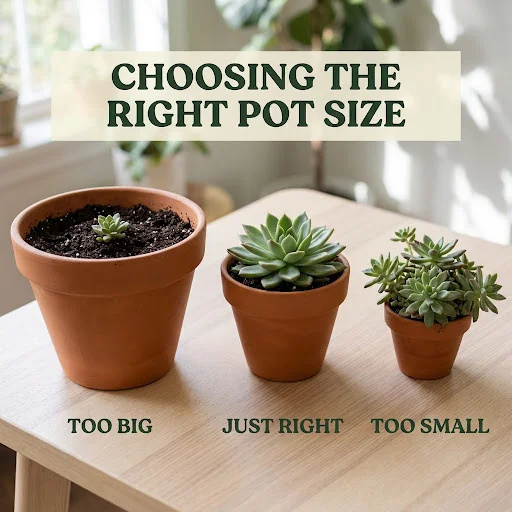
A pot that is too big looks generous, but it is one of the sneakiest succulent planting mistakes you can make. Extra soil holds extra water, and that water sits around the roots far longer than the plants want. The result is soggy roots, soft leaves, and a slow decline that beginners often blame on bad luck.
A pot that is too small causes the opposite problem. Roots crowd together, the soil dries out in a day, and your plants stop growing because there is simply no room left.
The fix: Pick a pot that leaves about half an inch to one inch of space around your plant group. For most small arrangements, a shallow pot four to six inches wide is a sweet spot. It looks full, holds just enough soil, and keeps roots comfortable.
2. Using a Pot With No Drainage: A Classic Succulent Planting Mistake
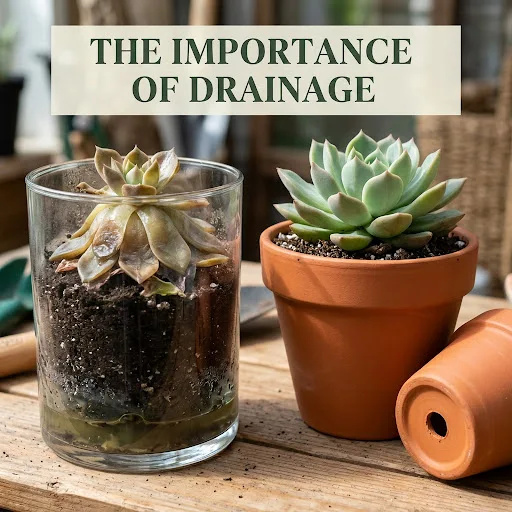
This is the classic on every list of succulent planting mistakes, and it still catches people out every spring. Succulents store water in their leaves, so they hate sitting in wet soil. In a pot with no drainage hole, every watering pools at the bottom, and the roots sit in that hidden puddle until they rot.
You may not notice for weeks. Then one morning a healthy looking rosette turns soft and black at the base, and by then it is usually too late to save it.
The fix: Always choose a pot with a drainage hole. Place a small piece of mesh over the hole so the soil stays in while the water runs out. If you truly love a pot without a hole, use it as an outer cover pot and keep the plant in a simple inner pot that drains.
3. Planting in the Wrong Soil
Garden soil and regular potting mix hold far too much moisture for succulents. Using them is among the most damaging succulent planting mistakes because the damage happens quietly, below the surface, where you cannot see it.
Dense soil stays wet for days, blocks air from reaching the roots, and invites the kind of rot that kills a whole arrangement one plant at a time. Many beginners keep watering less and less, not realizing the real problem is the soil itself.
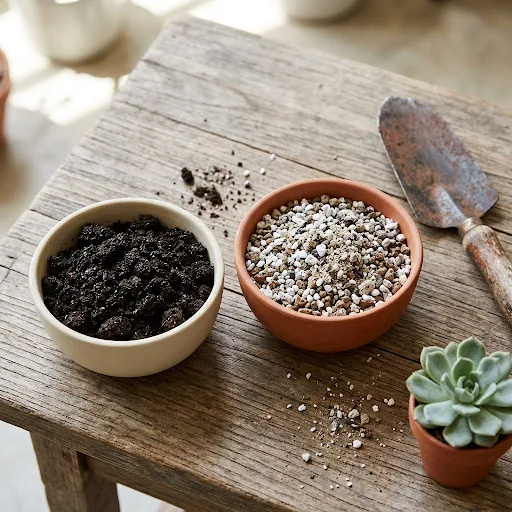
The fix: Use a gritty, fast draining mix made for cactus and succulents. If you only have regular potting soil, stir in perlite or coarse sand until it feels loose and crumbly in your hand. When you squeeze a handful, it should fall apart, not clump.
4. Spacing Plants Too Far Apart
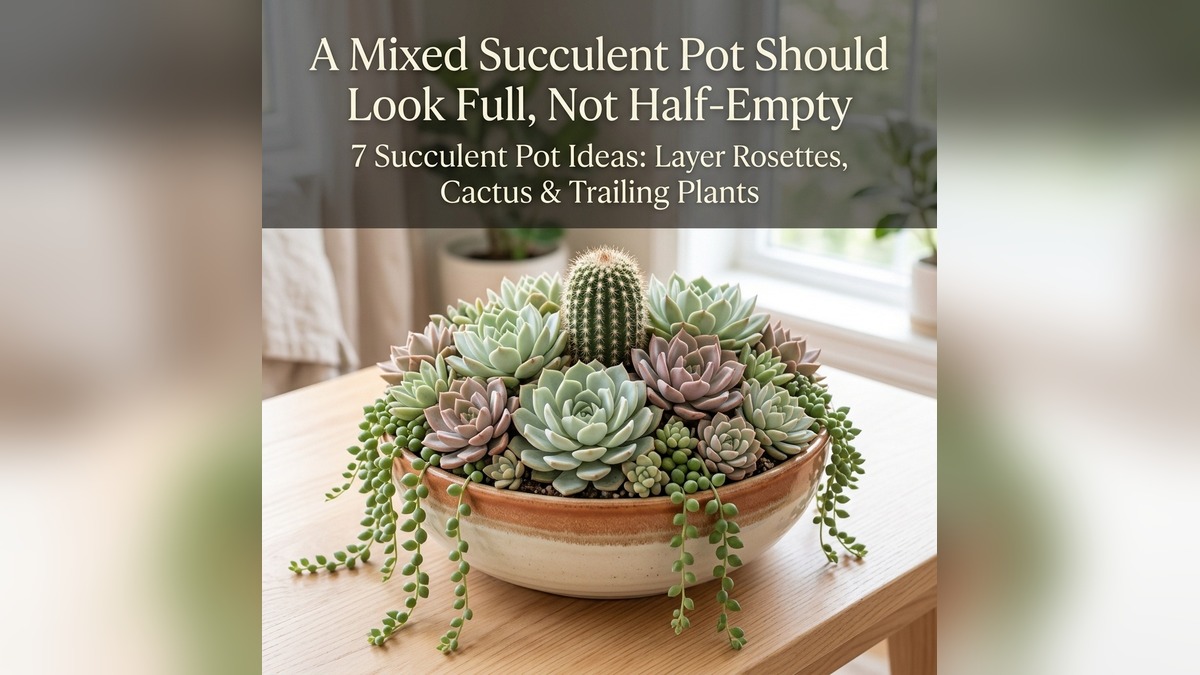
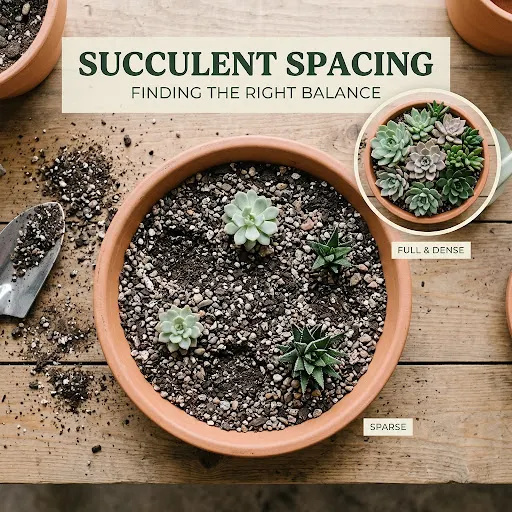
Many succulent planting mistakes are about health, but this one is about looks. New growers often space their plants wide apart, the way you would in a garden bed. In a small pot, that leaves bare soil showing everywhere, and the arrangement looks half empty before it even starts.
There is a second problem too. Wide gaps mean more exposed soil, more weeds, and more water lost to the sun. Your pot looks sparse and needs attention more often, which is the worst of both worlds.
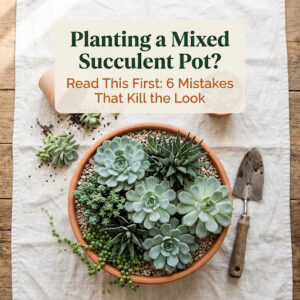
The fix: Plant closer than feels natural. Set your biggest rosette first, then tuck medium plants around it, and finish by filling the gaps with small cuttings and trailing pieces. Aim for soil you can barely see. The plants will settle in, and the pot will look lush within weeks.
5. Mixing Plants With Very Different Water Needs
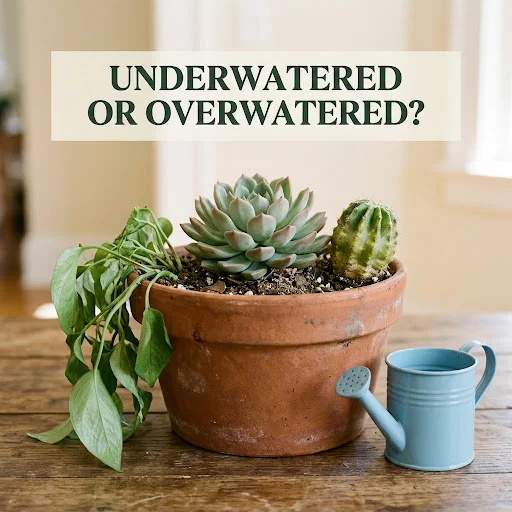
A plump echeveria and a desert cactus may look great side by side in the store, but they do not always want the same care at home. Grouping plants with clashing needs is one of those succulent planting mistakes that only shows up a month later, when one plant is thirsty and its neighbor is already overwatered.
Leaf thickness is your clue. Plants with thick, fleshy leaves store lots of water and need less of it. Thin leaved plants dry out faster and want a drink sooner.
The fix: Group plants with similar leaf thickness and similar light needs in the same pot. Keep your driest loving cactus and lithops together, and give softer, thirstier succulents their own arrangement where you can water them on their own rhythm.
6. Watering on a Schedule Instead of Checking the Soil
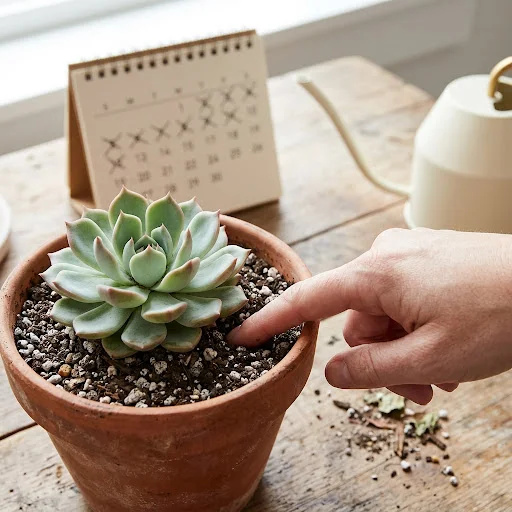
Of all the succulent planting mistakes on this list, this is the one that kills the most plants. A calendar cannot tell you when your pot is dry. A small pot on a sunny Texas windowsill may dry in four days, while the same pot in a cool Seattle kitchen may stay damp for two weeks.
Watering because it is Sunday, not because the soil is dry, slowly floods roots that were perfectly happy. Most rotten succulents were not neglected at all. They were loved, watered, and killed with kindness.
The fix: Water only when the soil is fully dry, then soak it well and let every drop drain away. If you want a simple, reliable routine for this, read our guide on How Often Should You Water Succulent Plants, which walks through the soak and dry method step by step for summer and winter.
Why These Succulent Planting Mistakes Matter So Much
It helps to understand why such simple slip-ups cause so much damage. Succulents evolved in dry, rocky places where water arrives in a quick flood and then disappears for weeks. Their roots, leaves, and stems are all built around that rhythm. When we plant them in deep, wet soil and water them every few days, we are asking them to live in the exact opposite of the home they were designed for.
That is why the fix is rarely a special product or a secret trick. It is almost always about copying those dry, bright, airy conditions in miniature, right inside your pot. A shallow container, gritty soil, a drainage hole, and patience between waterings do more for a mixed arrangement than any fertilizer on the shelf.
This is also why experienced growers seem so relaxed. They are not doing anything complicated. They simply set the pot up correctly on day one, and then the plants mostly look after themselves. Learn to recognize the succulent planting mistake behind a struggling plant early, and you can usually correct it in minutes, long before any real harm is done. One honest review of your setup today can save you from repeating the same succulent planting mistake with every new pot you plant this year.
Your Quick Pre-Planting Checklist
Print this short list and run through it before every new arrangement. It takes two minutes, and it guards against nearly all the planting mistakes succulent beginners repeat.
Pot has a drainage hole, plus mesh to cover it
Pot size leaves about an inch of room, no more
Soil is gritty and falls apart when squeezed
Plants grouped by leaf thickness and light needs
Biggest plant placed first, gaps filled with small pieces
Watering plan based on dry soil, never on the calendar
A sunny spot chosen with at least a few hours of bright light
Keep this checklist with your pots and soil, and these simple checks will quietly prevent the succulent planting mistakes that ruin most first arrangements.
Final Thoughts
A beautiful mixed pot is not about rare plants or expensive pots. It is about skipping the small errors that hold a good arrangement back. Avoid these six succulent planting mistakes, and your plants will reward you with tight rosettes, rich color, and steady growth.
Start with the right pot, give the roots air and drainage, plant close, group plants that want the same care, and water only when the soil tells you to. That is really the whole secret, and none of it is hard once you have seen the list.
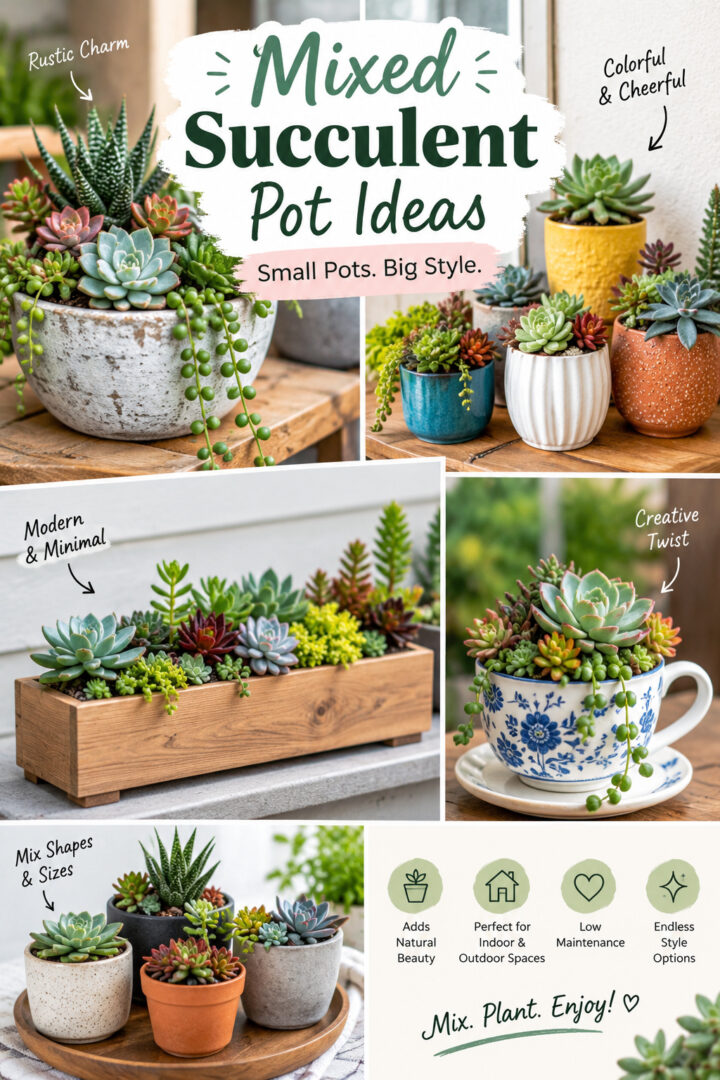
Ready to put it all into practice? Our guide Beautiful Mixed Succulent Pot Ideas shows seven full arrangements you can copy, from a lush balcony bowl to a simple beginner mix, now that you know exactly which succulent planting mistakes to leave behind.
Frequently Asked Questions
What is the most damaging succulent planting mistake for beginners?
No drainage is usually the most damaging because water collects under the roots and rot can start before you see it. Choose a pot with a drainage hole, cover it with mesh, and empty the saucer after watering.
Can I use a pot without a drainage hole?
You can use it as a decorative outer cover pot, but keep the succulent in a simple inner pot that drains. Never let the inner pot sit in collected water for long.
How do I fix succulent planting mistakes after the pot is already planted?
Start by checking the basics: drainage, soil, spacing, and whether the soil is dry before you water. Many problems can be corrected by repotting into gritty soil, moving thirstier plants out, or filling bare gaps with cuttings.
How close should I plant succulents in a mixed pot?
Plant them closer than you would in a garden bed, with rosettes nearly touching at the edges. Leave just enough room for air to move so the leaves stay dry and healthy.
What are the signs of succulent planting mistakes I can spot early?
Mushy leaves, blackening at the base, stretched stems, and soil that stays wet for many days are early warnings. When you see them, check for succulent planting mistakes like poor drainage, dense soil, or watering before the mix has dried.