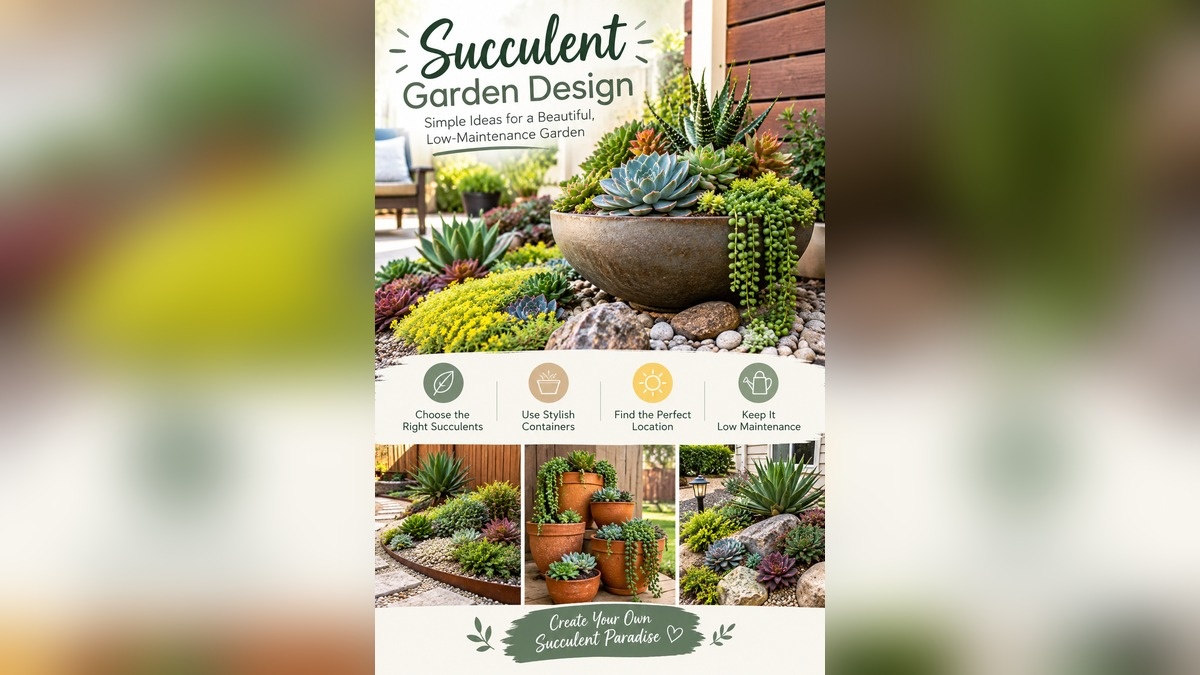
A beautiful yard does not have to mean a thirsty lawn, weekly mowing, and a water bill that climbs every summer. In dry parts of the Southwest, Southern California, Texas, and even sunny corners of Florida, many homeowners are swapping water-hungry planting beds for succulents. These plants store water in their leaves, shrug off heat, and still give you color, texture, and shape all year.
The best part is that low water does not mean low style. The strongest succulent garden design ideas use simple layouts, repeated shapes, and gravel or stone to make a bed look planned from day one. You do not need rare plants or a landscape crew. You need a clear pattern, soil that drains fast, and plants that like the same sun and water.
Use these succulent garden design ideas as a starting point, not a strict rule book. Pick the one that fits your yard, your light, and the way you actually live. A front bed, patio corner, or dry side yard can all work.
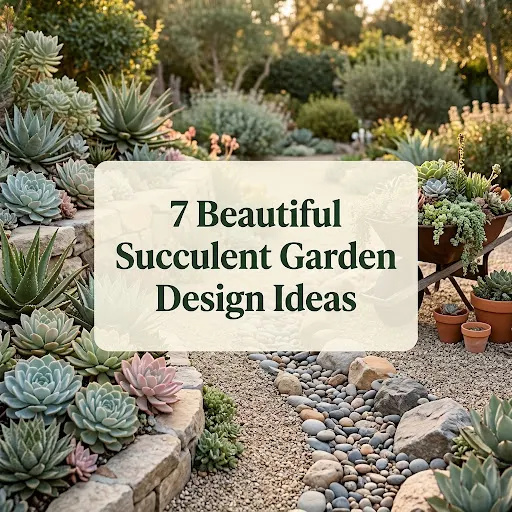
7 Succulent Garden Design Ideas for a Low-Water Yard
Start with the layout, then choose the plants. That order matters. When the shape of the bed is clear, even common rosettes look special. When there is no plan, even pricey plants can look scattered. Each idea below keeps water low.
1. The Modern Rock Garden — A Clean Succulent Garden Design Idea
A modern rock garden is one of the cleanest succulent garden design ideas for a dry yard. It uses wide spaces of gravel, a few large stones, and groups of rosettes planted in drifts. The look is calm and open, almost like a dry riverbed. Echeveria, graptoveria, and small agaves work well because their shapes read clearly against pale stone.
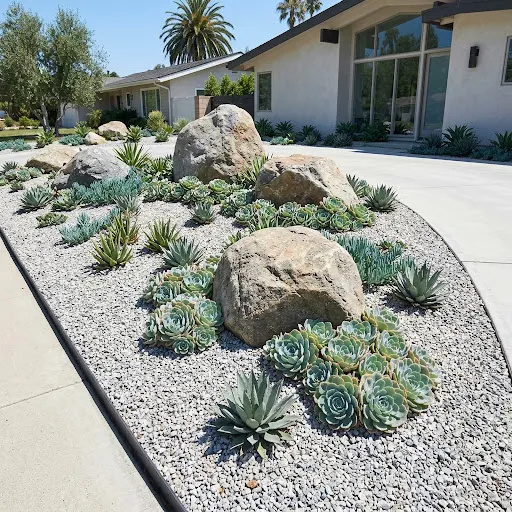
Keep the palette tight. Choose gray gravel, tan stones, or dark lava rock, then repeat two or three plant colors. Set the largest stone first, plant the tallest succulent near it, and fill around it with low rosettes. Leave some bare gravel showing. That empty space is part of the design, and it also keeps crowns dry after rain. It looks neat from a Southern California or Arizona street and needs little trimming.
2. The Color Wheel Bed
If you love color, a color wheel bed may be the happiest of these succulent garden design ideas. Plant succulents in loose sections based on leaf color: blue-gray in one sweep, green in another, then blush pink, burgundy, or orange-tipped rosettes where the sun brings out their stress colors. The bed reads like a soft rainbow when you stand back.
You do not need perfect circles. A half-moon bed by a patio or a wide oval near the front door is enough. Repeat each color at least three times so the pattern looks intentional. Place taller plants near the center or back, and keep the smallest rosettes near the edge. In Texas and Florida, give colorful types strong morning sun and some shelter from harsh late-day heat if leaves scorch. The brighter the light, within reason, the richer the color will be.
3. The Front Yard Water-Wise Bed
A front yard water-wise bed replaces a strip of lawn or a tired hedge with succulents, gravel mulch, and a few upright accents. This is one of the most practical succulent garden design ideas because it cuts mowing and watering while keeping the home looking cared for. It suits the Southwest especially well, but it can also work in other sunny US yards with fast-draining soil.
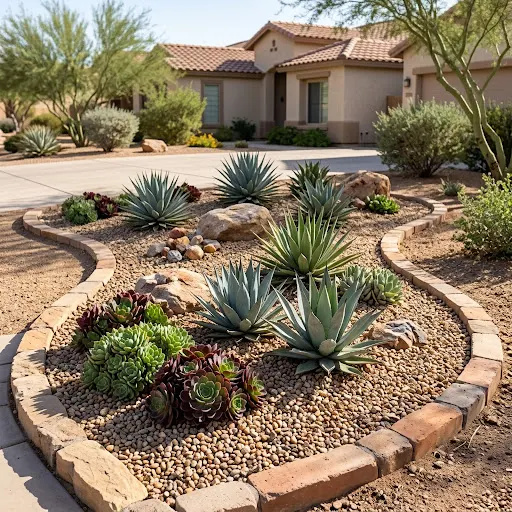
Start by shaping a clean edge. A curved bed looks soft, while a straight bed feels modern. Add one or two anchor plants, such as a medium agave or a cluster of columnar cactus where winters are mild. Then fill with rosettes, sedum, and low groundcover succulents. Keep plants a little back from the sidewalk so they do not spill into the path. In cold-winter areas, choose hardy sempervivum and sedum, and use long-term average frost dates to decide when tender plants need cover.
4. The Patio Pot Garden
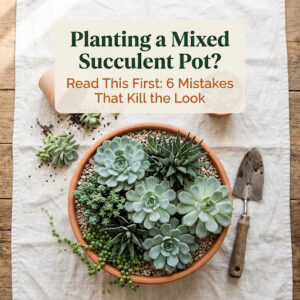
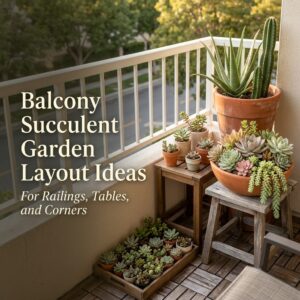
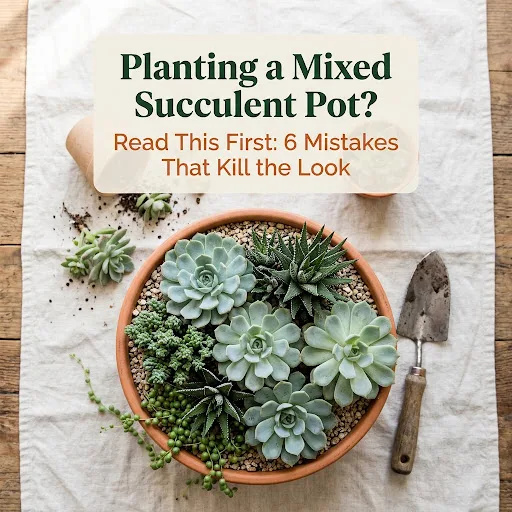
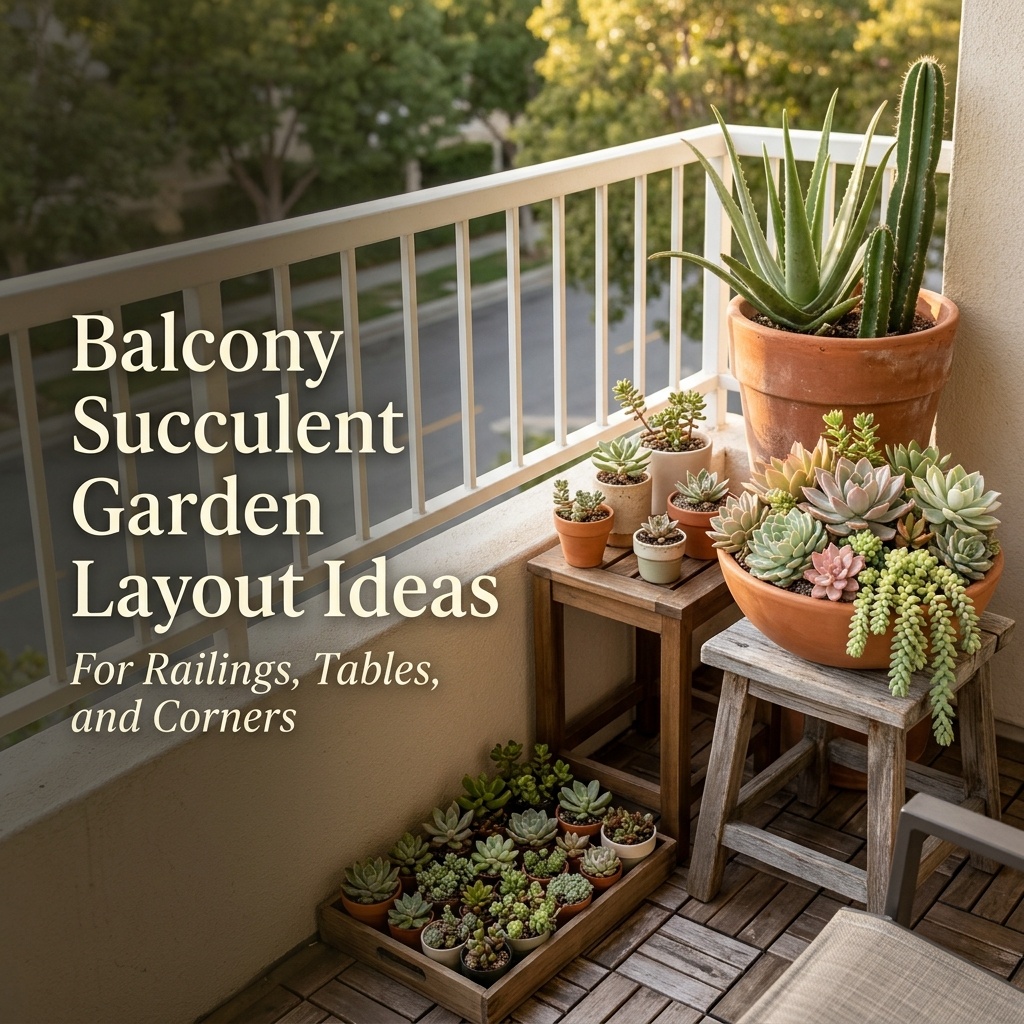
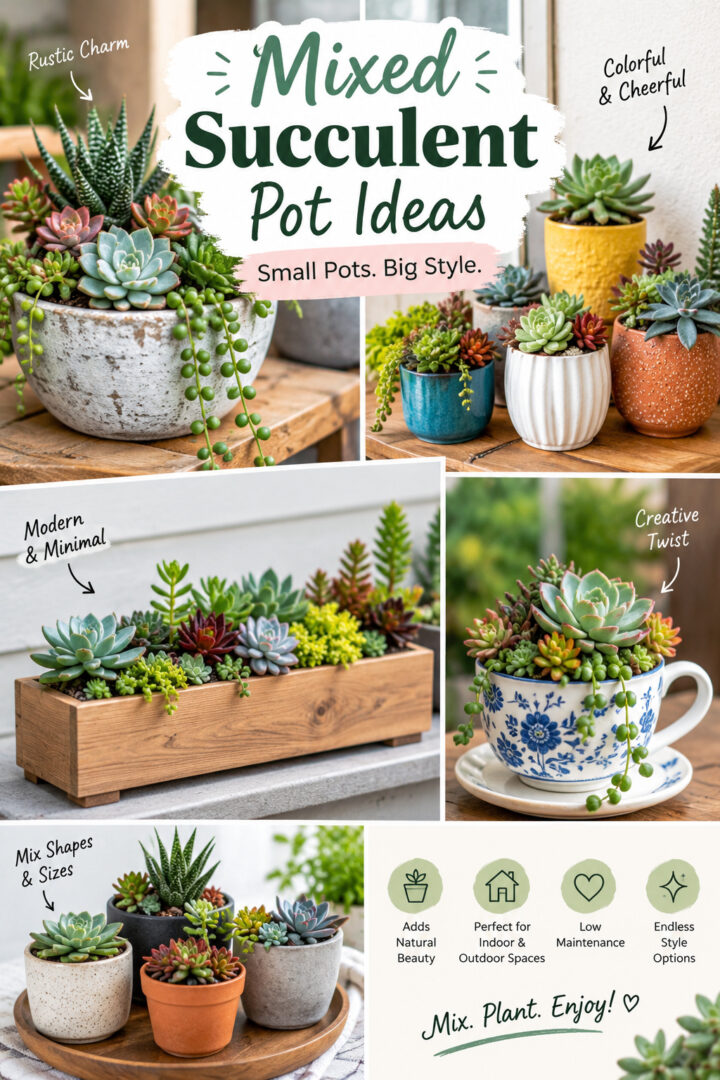
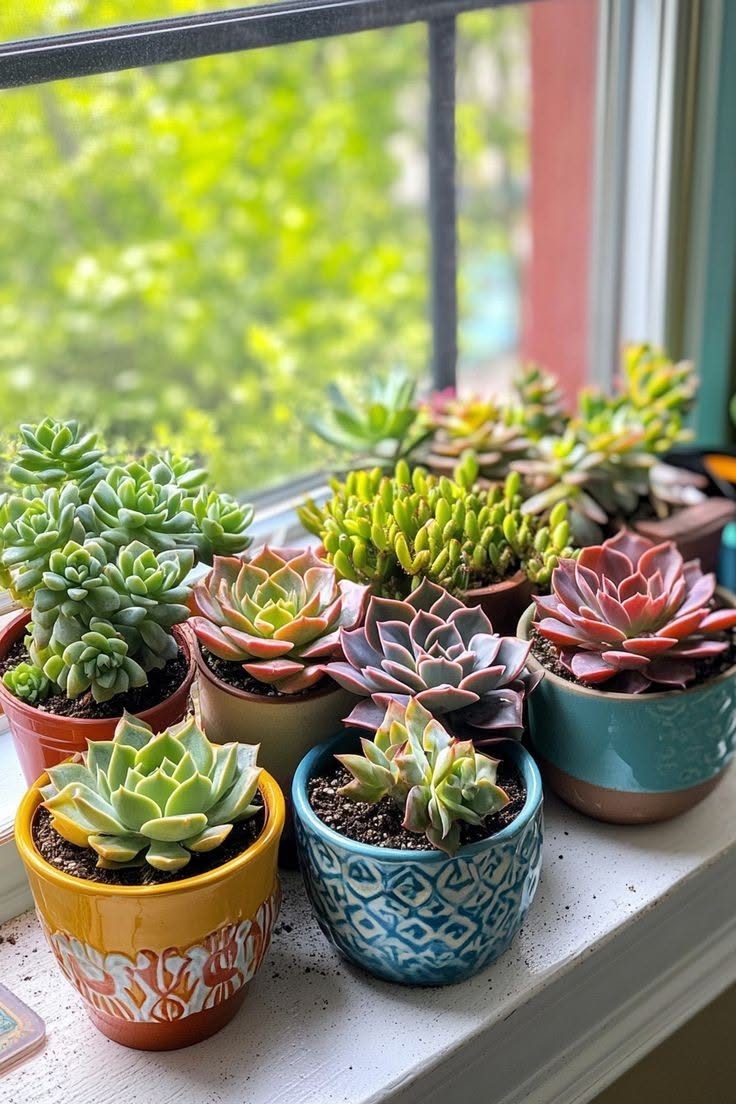
No digging, no problem. A patio pot garden brings succulent garden design ideas to renters, small yards, and anyone who wants to test a layout before planting in the ground. Group pots in odd numbers, mix heights, and use one large bowl as the star. Terracotta, ceramic, and concrete pots all work if they have drainage holes.
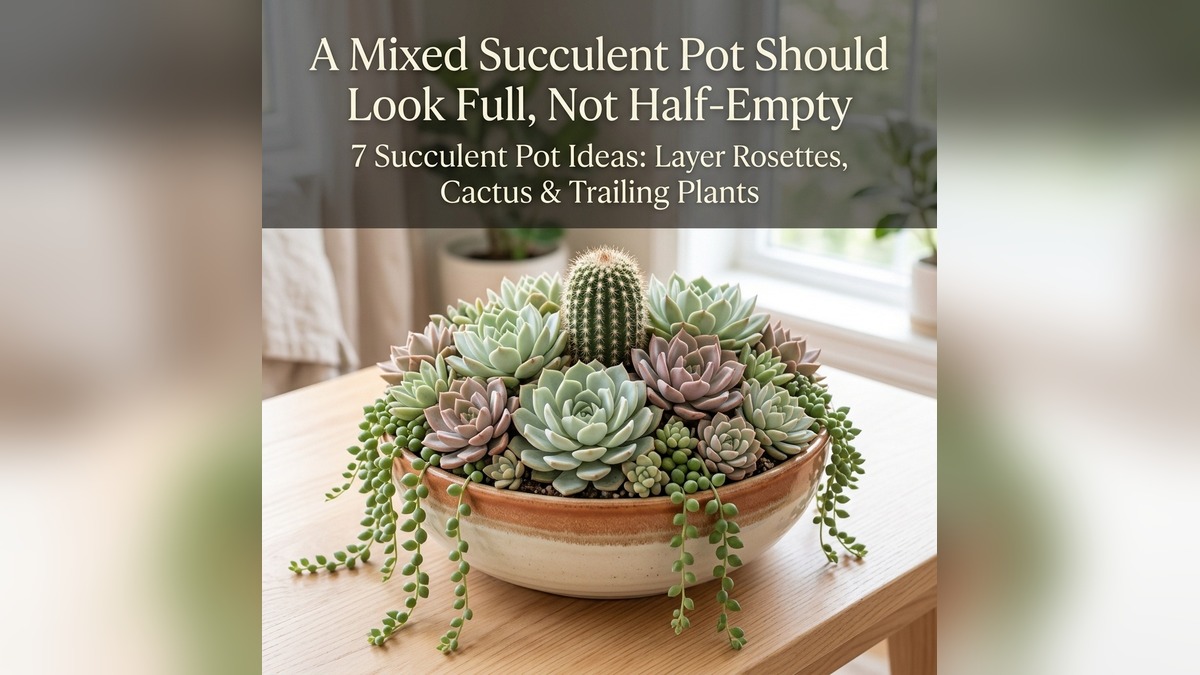
Set the tallest pot at the back, place a wide mixed bowl in the middle, and tuck small pots near the front edge. This layered look makes a tiny patio feel lush without blocking walkways. For container layouts you can move with the seasons, see our guide Beautiful Mixed Succulent Pot Ideas. Pots dry out faster than ground beds, especially on hot Texas or Florida patios, so check the soil before you water. The reward is control: you can chase the sun, dodge a storm, and rearrange the whole garden in ten minutes.
5. The Pathway Border — One of the Easiest Succulent Garden Design Ideas
A pathway border is a small change with a big effect. Line a front walk, garden path, or stepping-stone route with low succulents and gravel. Hens and chicks, sedum, and compact echeveria stay neat near edges, while a few taller plants can mark the start or end of the path. Among easy succulent garden design ideas, this one is ideal for narrow spaces that are hard to mow.
Keep the border shallow and tidy. A strip about a foot wide is often enough for small rosettes. Use stone edging or metal edging to stop gravel from washing onto the path. Plant in loose groups rather than a stiff single line, and repeat the same plant every few feet for rhythm. Add solar path lights if you like, but keep them spaced out so the plants stay the main feature. This succulent garden design idea also helps guests see the edge of the walk at dusk.
6. The Desert Theme Garden
A desert theme garden leans into sand-colored gravel, warm stone, terracotta, and sculptural plants. Think agave, prickly pear in mild-winter areas, barrel cactus, aloe, and red-tipped rosettes. It is one of the boldest succulent garden design ideas, and it fits naturally in the Southwest and Southern California. The key is restraint. Too many props can make it look like a theme park.
Use real materials first: stone, gravel, clay pots, and weathered wood. Plant in wide groups, and let each specimen have breathing room. A single large agave can carry a whole corner if the plants around it stay low. In humid parts of Florida, this style needs extra drainage and airflow, so raised beds and gritty soil matter more than decoration. Skip delicate props. The plants have enough drama.
7. The Small-Space Spiral Bed
A spiral bed packs a lot of planting into a small circle. Build a low spiral with stone, brick, or concrete blocks, fill it with gritty soil, and plant succulents along the curve. The top of the spiral is the driest and sunniest spot, so place the toughest rosettes there. The lower curve holds a touch more moisture and suits plants that like a slightly longer drink.
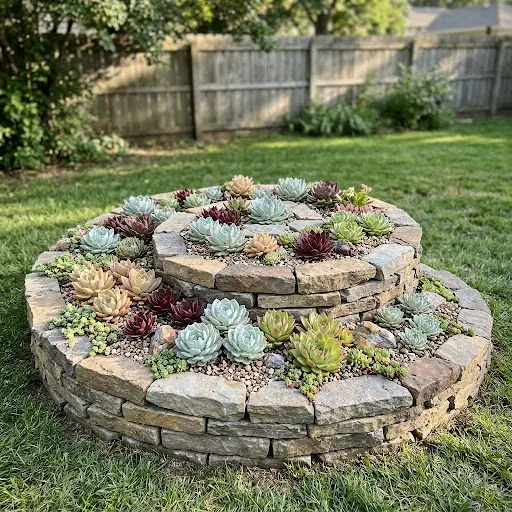
This is one of the smartest succulent garden design ideas for side yards, small patios, and garden corners that feel too plain for a normal bed. A spiral only a few feet wide can hold dozens of small plants if you choose compact types. It also makes care easy because you can reach every plant from the outside. Turn the spiral into a color pattern, a mix of textures, or a sampler of your favorite rosettes. Just keep the stones stable and the soil level below the edge so gravel does not spill after heavy rain.
Basic Care for Succulent Garden Design Ideas That Stay Low-Water
Good care starts before the first plant goes in. Most outdoor succulents want gritty soil that drains fast. If your native soil is heavy clay, plant in a raised bed or mix in coarse sand, pumice, or fine gravel so water does not sit around the roots. A layer of gravel on top keeps leaves cleaner and helps the bed look finished, but it cannot fix wet soil underneath.
The care rule behind lasting succulent garden design ideas is simple: match each plant to the drainage and light first. Water deeply, then let the soil dry. New plants need a little more water while roots settle, but mature beds should not be watered on a fixed daily routine. If you want a deeper routine, read How Often Should You Water Succulent Plants. Sun matters too. Most of these succulent garden design ideas assume at least six hours of bright light. In very hot inland areas, tender rosettes may enjoy light afternoon shade. In colder US regions, treat frost timing as a long-term average for your area, not a promise for one address on one night. Tender plants should be covered, moved, or replaced with hardy types when freezes are likely.
Conclusion
The right layout depends on your space, but the rule stays the same: simple shape, fast drainage, and plants that share the same needs. Whether you choose a rock garden, a color bed, a patio group, or a tiny spiral, these succulent garden design ideas can give you a yard that looks rich without asking for constant water.
Start smaller than you think. One finished bed built from proven succulent garden design ideas teaches you more than a whole yard of half-done projects. Once the first bed settles in, repeat the same colors or stones in the next spot so the whole yard feels connected. With a clear plan and patient care, succulent garden design ideas stop being pictures you save and become the garden you actually walk through every day. That is the real win: less watering, less fuss, and a yard that still makes you stop and look.
Frequently Asked Questions
What are the easiest succulent garden design ideas for beginners?
The easiest succulent garden design ideas for beginners are the pathway border and the patio pot garden, because both are small, quick to plant, and easy to change later. Start with hardy rosettes, gritty soil, and a sunny spot, and your first bed can look finished in a single weekend.
Which succulent garden design ideas work best in a small yard?
Spiral beds and color wheel beds are two succulent garden design ideas made for small yards, because they pack many plants into one clear shape. A spiral only a few feet wide can hold dozens of compact succulents. Keep the pattern simple and repeat your colors so the small space reads as one design, not a crowd.
How often should I water a low-water succulent garden?
Water deeply, then wait until the soil is fully dry before watering again. New plants need a little more water for the first few weeks while their roots settle. After that, an established bed in summer often needs water only every two to three weeks, and even less in cool weather.
What soil is best for outdoor succulents?
Succulents need gritty, fast-draining soil. If your yard has heavy clay, plant in a raised bed or mix coarse sand, pumice, or fine gravel into the soil so water moves away from the roots. A gravel top layer keeps leaves cleaner, but it cannot fix soggy soil underneath.
Can succulent gardens survive winter in colder US states?
Yes, if you choose hardy plants such as sempervivum and many sedums, which handle freezing winters in many US regions. Tender rosettes should be covered, moved into pots indoors, or treated as seasonal plants when freezes are likely. Use the long-term average frost dates for your area as a guide, not a promise for one single night.