
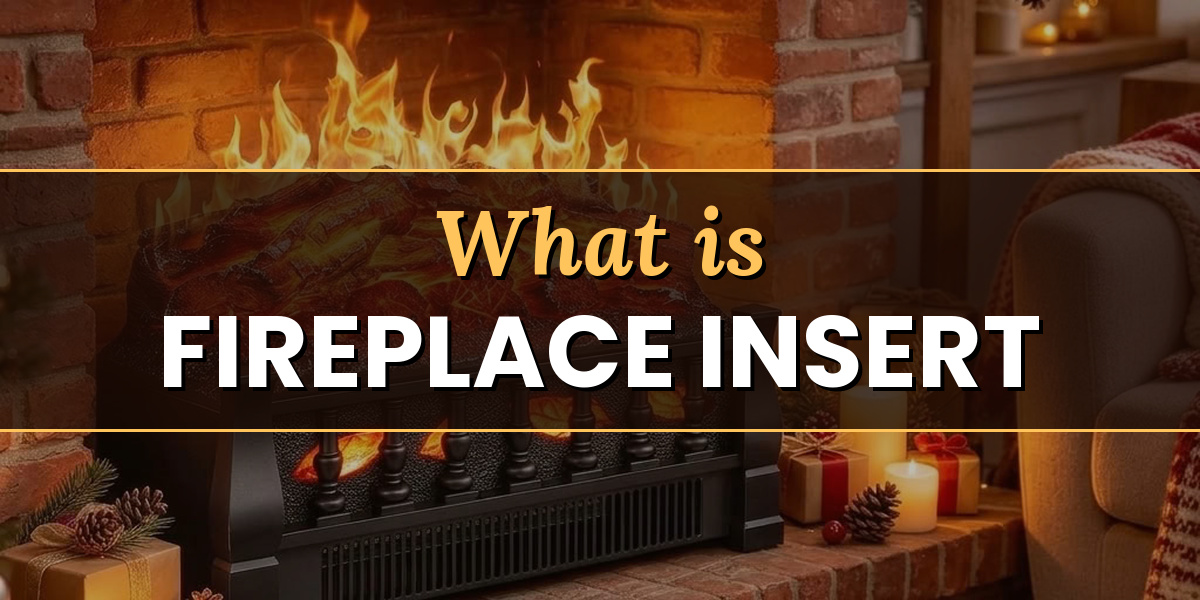
Ask a room of homeowners what is a fireplace insert and most will point at the fireplace itself. That is the first thing to clear up: the fireplace is the structure — the brick or stone opening, the firebox and the chimney — while the insert is a self-contained heating unit built to slide inside that opening. What is a fireplace insert, in one line? It is a firebox within a firebox: a sealed or electric unit that turns an open, drafty fireplace into an efficient heat source.
The distinction matters because an open fireplace is a poor heater. Most of its heat rises straight up the chimney, and the draft can pull warm room air out with it. An insert closes that system down. What are fireplace inserts designed to do that an open fire cannot? Keep the heat in the room, burn cleaner or not at all, and make an existing fireplace worth using again. This guide covers the parts, the four fuel types, the electric version in detail, and the two questions buyers ask next — when to replace one, and whether the electric kind is as efficient as people say.
What Is a Fireplace Insert? The Short Answer
What is a fireplace insert at its simplest? A factory-built heating appliance, sized to fit inside an existing masonry or prefabricated fireplace, with its own firebox, door or flame front, and heat controls. Instead of burning in the open, the fire — real or simulated — happens inside the unit, and the unit is built to push heat into the room rather than up the flue.
Three features define the category. First, it is an insert: it needs an existing fireplace opening to live in (freestanding stoves, which stand on their own legs, are a different product). Second, it is a system: the firebox, the surround panel that seals the gap between unit and opening, and the venting or power connection all work together. Third, it is an upgrade: nobody buys an insert for the look alone — they buy it because the fireplace they already own does not heat the room, and an insert fixes that without rebuilding the chimney breast.
What Is a Fireplace Insert Made Of? The Main Parts
Understanding the insert gets easier part by part, because every insert — wood, gas, pellet or electric — is built from the same short list of components.
The Firebox and the Surround Panel
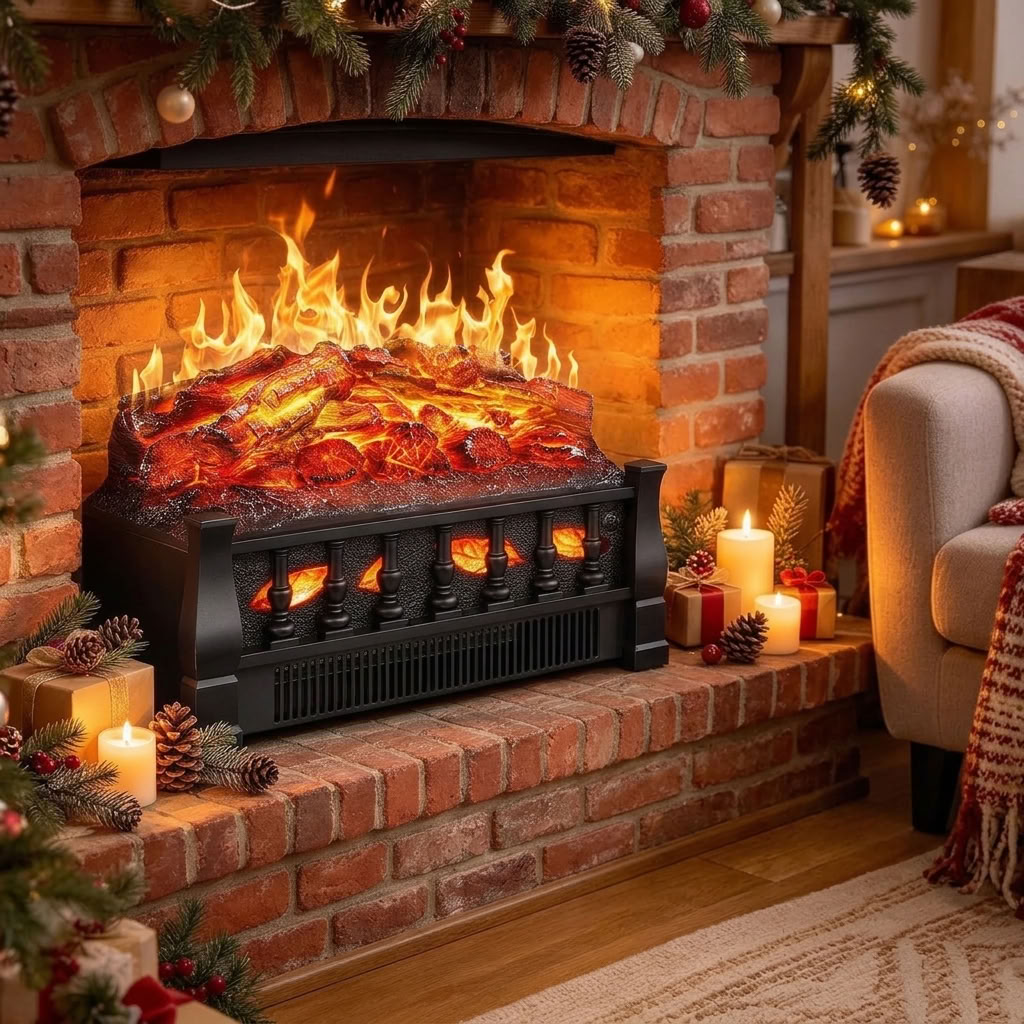
The firebox is the steel or cast-iron chamber where the fire happens. Around its face sits the surround panel, the flat frame that overlaps the fireplace opening and seals the gap so drafts cannot slip around the unit. That seal is a large part of why inserts heat better than open fires: room air is no longer free to rush up the chimney around the fire.
The Door, the Blower and the Controls
Most fuel-burning inserts have a glass door that closes the firebox, which is what makes the burn controllable. Many inserts add a blower — a quiet fan that pulls room air around the hot firebox and pushes it back into the room, instead of letting heat radiate passively. And every insert has controls: an air damper on a wood model, a thermostat and remote on gas and electric models. What is a fireplace insert without those controls? Just a box. The controls are what turn it into a heater you can set and forget.
The Four Types: What Is a Fireplace Insert by Fuel?
Ask in a showroom and the honest answer is “which fuel?” The shape is shared; the appliance inside it is not.
What Is a Fireplace Insert That Burns Wood, Gas or Pellets?
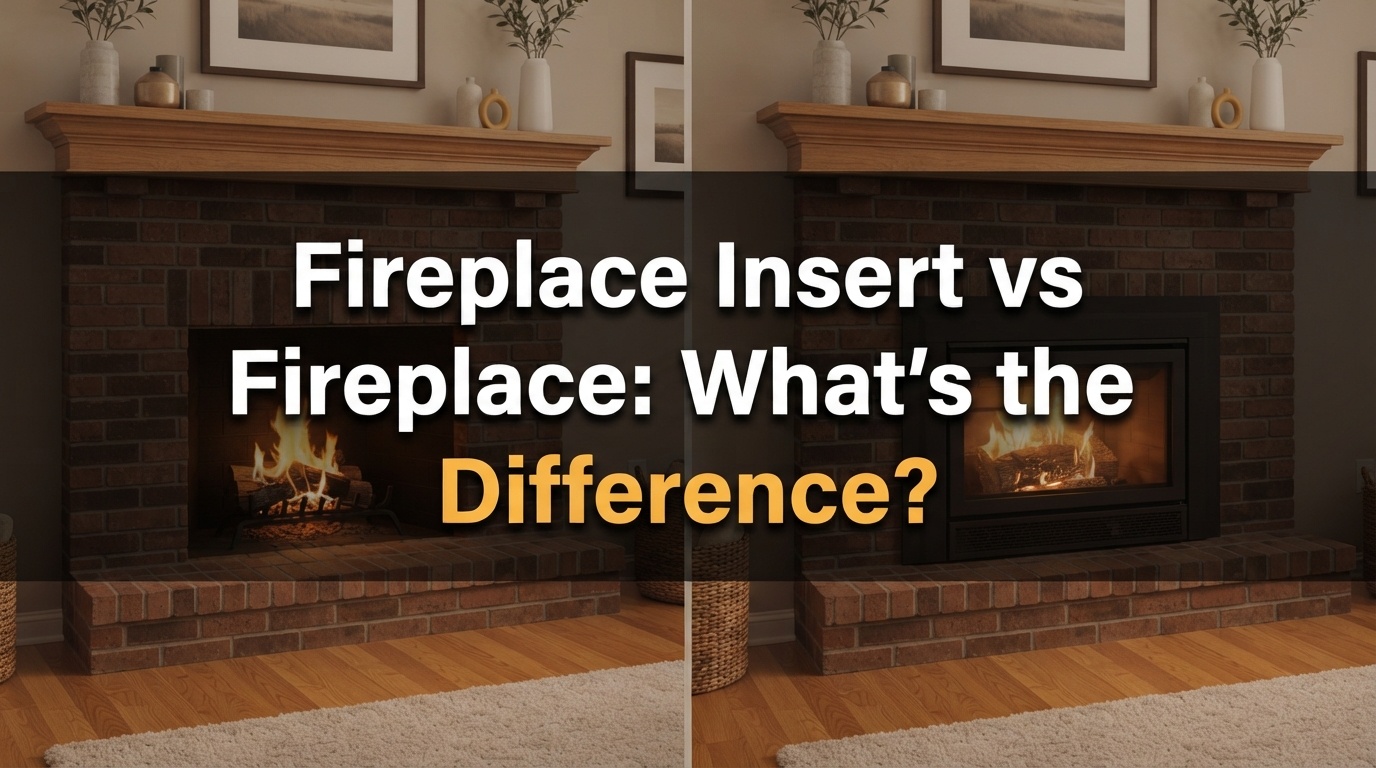
A wood insert burns real logs in a sealed firebox and vents through a stainless liner run up the existing chimney; it gives the strongest traditional heat and the most work — fuel, ash and sweeping. A gas insert burns natural gas or propane behind glass, lights from a remote, and vents through the chimney with one or two liners. A pellet insert burns compressed wood pellets fed automatically from a hopper, holding a steady temperature with less loading than logs. All three are genuine heating appliances, and all three need the chimney system above them to be sound — our comparison of fireplace insert vs fireplace walks through how each type stacks up against the open fireplace it replaces.
What Is an Electric Fireplace Insert?
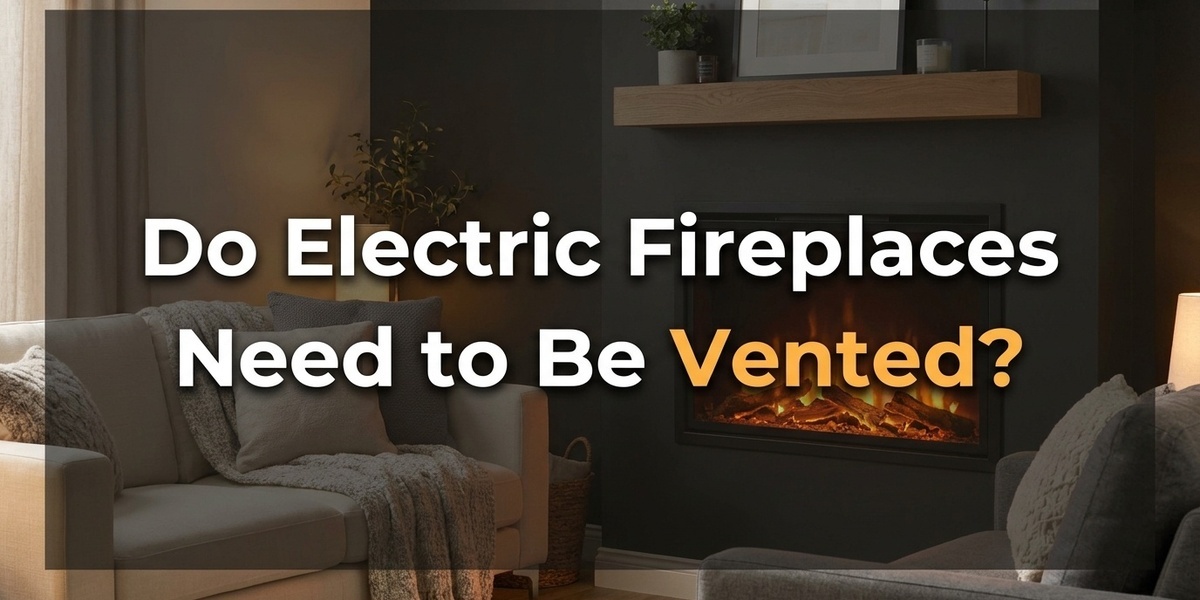
What is an electric fireplace insert? The same idea with the combustion removed: a unit that slides into the fireplace opening, shows a flame effect over logs or crystals, and heats with an electric element — typically up to 1,500 watts, about 5,100 BTU — instead of a fire. It needs no liner, no flue and no vent, because nothing burns and nothing has to leave the house. It plugs into a standard outlet.
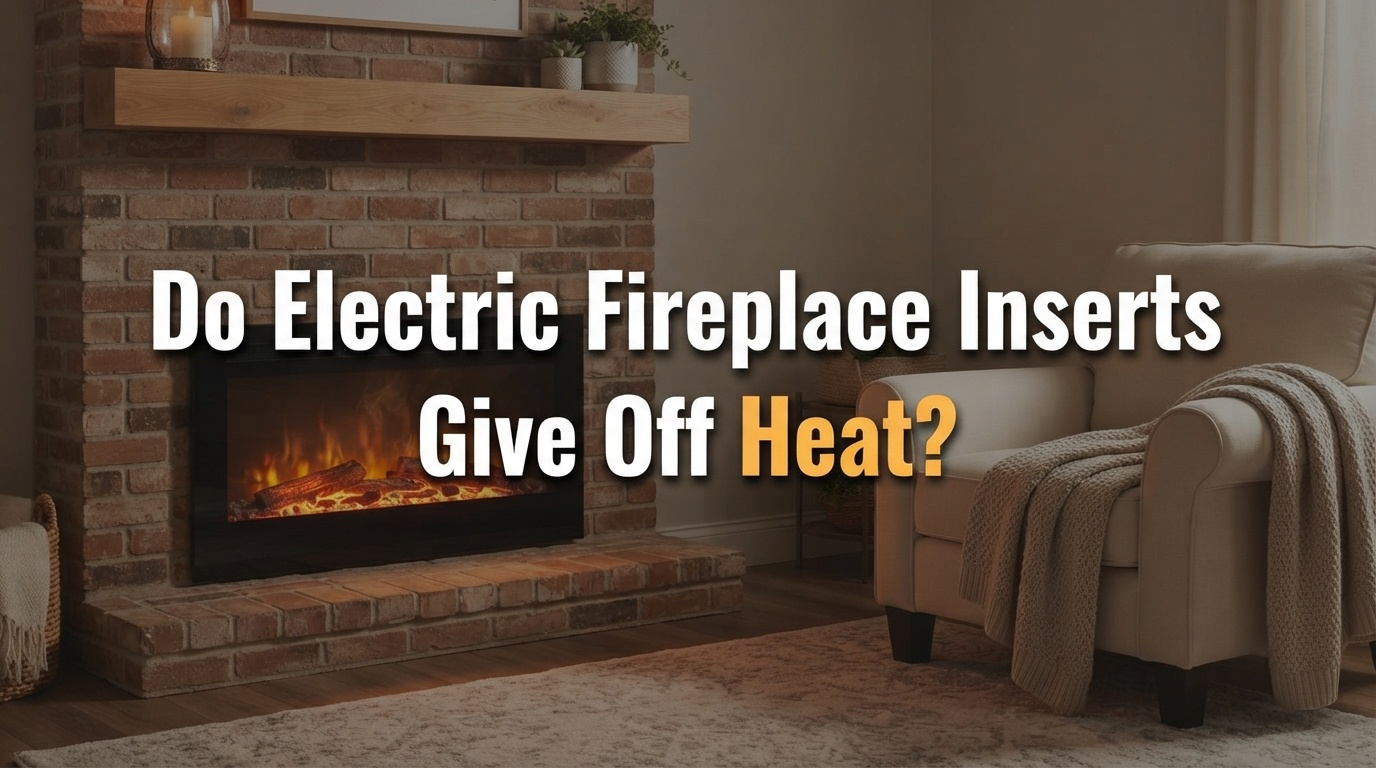
How does it work? The flame is a light effect, produced by LEDs and a rotating or projected pattern over a resin log set. The heat is a fan-forced element or an infrared element behind the front panel. Because the two are independent, the flame can run with the heater off. The smallest electric inserts are simple log sets — a resin log and ember bed unit around 21 inches wide that sits in the opening or on the hearth — while larger models are full firebox units with surrounds. Whether electric fireplace inserts give off heat worth having is its own question, and the answer is yes — with the honest limits that guide sets out.
What Is a Fireplace Insert Used For?
What is a fireplace insert used for, once it is fitted? Four jobs, in the order buyers usually name them.
Real heat from a fireplace that gave none. Sealing the opening and controlling the burn (or switching to electric heat) turns a decorative hole into a room heater.
Lower heating waste. An open fireplace can send most of its heat — and some of the room’s — up the chimney. An insert reverses that flow.
A cleaner, safer fire. A closed door, a sealed surround and, on electric models, no combustion at all: no smoke in the room, no sparks on the rug.
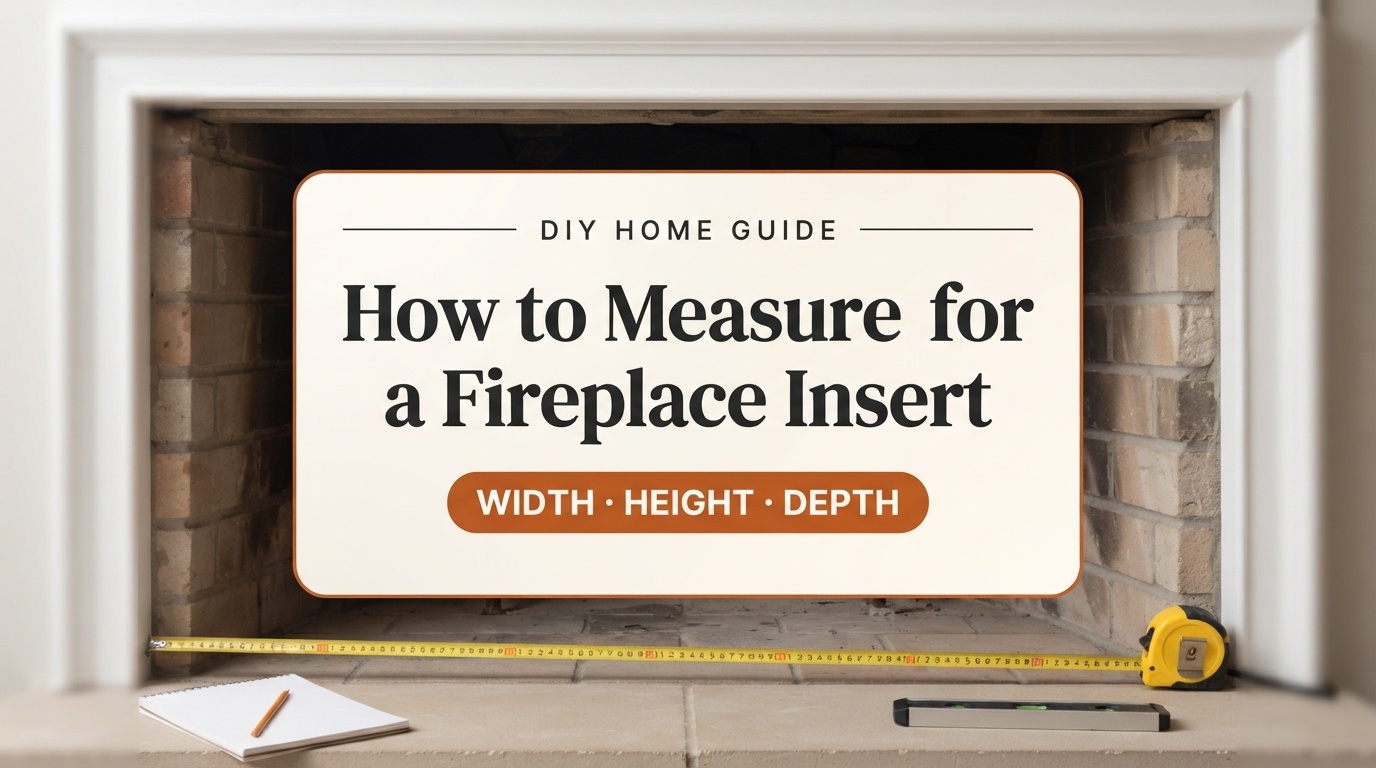
A second life for the fireplace. A damaged, smoky or simply unused fireplace becomes the room’s focal point again without masonry work. Sizing is the one thing to get right first — our guide on how to measure for a fireplace insert covers the six measurements that decide fit.
Recommended Electric Fireplace Insert
If the electric type is the one that fits your home — no liner, no vent, no fuel to store — Small Electric Fireplace Insert – 21 Inch Log Set with Heater in our store is the simple end of the range: a 21 inch resin log set with a glowing ember bed, 5,100 BTU of heat for rooms up to 450 sq ft, five flame brightness levels and a remote, sized to drop into an existing opening or stand on the hearth. Compare it with the other styles in the Fireplace category.
Frequently Asked Questions
When to replace a fireplace insert?
Replace an insert when the firebox or door is cracked or warped, when parts are no longer made for the model, when it smokes or smells despite a sound chimney, or when its heat has clearly fallen off. Most fuel-burning inserts last 15 to 25 years; a unit that needs a major repair at that age is usually money better spent on its replacement — and swapping an old wood insert for an electric one is the easiest replacement of all, because the electric unit needs no liner.
Are electric fireplace inserts energy efficient?
Yes — at the point of use, an electric insert converts almost all the electricity it draws into heat for the room, and none of it escapes up a flue, because there is no flue. Just as important is zone heating: it warms the room you are sitting in instead of the whole house. That is why, per hour of comfort in one room, an electric insert is hard to beat, even though electricity costs more per unit than gas.
What is a fireplace insert used for in a home that already has heating?
Supplemental zone heat and atmosphere. Most owners keep their central system for the whole house and use the insert to make the living room genuinely warm on evenings — the room they actually sit in — while the flame gives the room its focal point back.
Does a fireplace insert need a chimney?
Wood, gas and pellet inserts use the existing chimney, usually with a liner fitted inside it. An electric insert needs no chimney at all and works in a fireplace whose chimney is blocked, damaged or removed — one of the main reasons people choose it.
Do fireplace inserts need electricity?
Only the electric models need it as fuel. Wood and pellet inserts burn fuel, though many use a little electricity for a blower or pellet feeder; gas inserts may use a small amount for ignition and controls. If the insert is electric, a standard wall outlet is its entire installation.
Conclusion
So, what is a fireplace insert? A self-contained heating unit that slides into an existing fireplace and does the job the open fire never could: it keeps heat in the room. The type decides the rest — wood for traditional heat and effort, gas for push-button fuel heat, pellet for automation, and electric for the simplest installation of all, with no vent and no chimney. Know what is a fireplace insert before you shop, and the only remaining questions are size and fuel — and both are answerable in an afternoon.









One Response